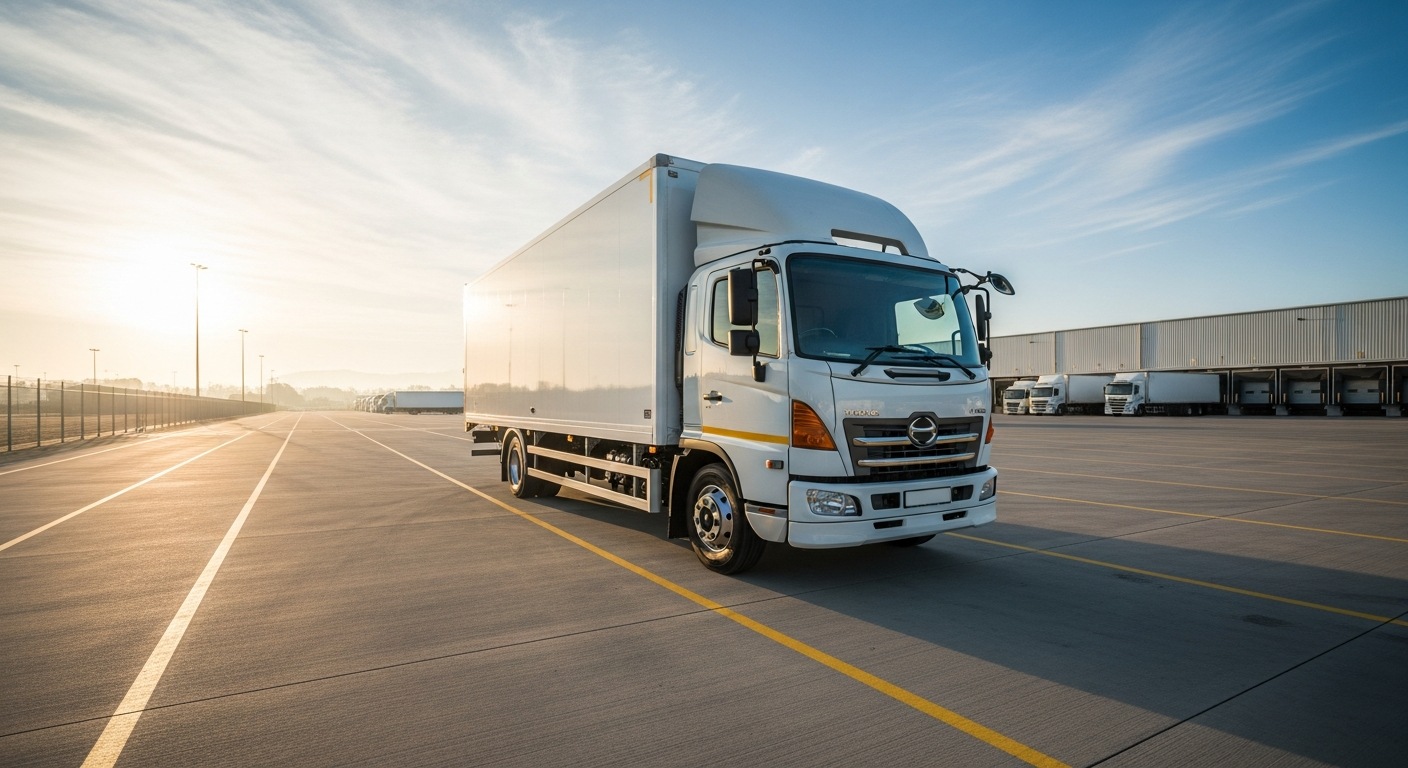
South African warehouses operate under conditions most overseas guides ignore — load-shedding, fuel-price volatility, BBBEE procurement pressure and a maintenance market that varies hugely by province. Choosing between an electric and a diesel material handling truck in 2026 is no longer a clean "indoor vs outdoor" decision. This guide walks you through the seven factors our fleet engineers actually weigh when sizing a customer's truck.
1. Total cost of ownership over 8 years
Fuel, electricity, batteries, maintenance, downtime and residual value all roll into TCO. A 2.5-tonne electric like the Sany SCP25F7 will typically beat a comparable diesel on TCO inside 4 years for double-shift indoor operations — even with the higher upfront capital. We model this for every customer using actual ZAR fuel and Eskom Megaflex tariffs.
2. Load-shedding contingency
Electric trucks need charging windows. With Stage 4–6 load-shedding, your charger schedule may collide with your shift schedule. We recommend opportunity charging plus a single backup truck (often a diesel) for high-throughput sites.
3. Mast and lift height
Indoor racking up to 6 m suits 3-stage triplex masts. Free-lift becomes critical under low ceilings or when entering trailers.
4. Surface and incline
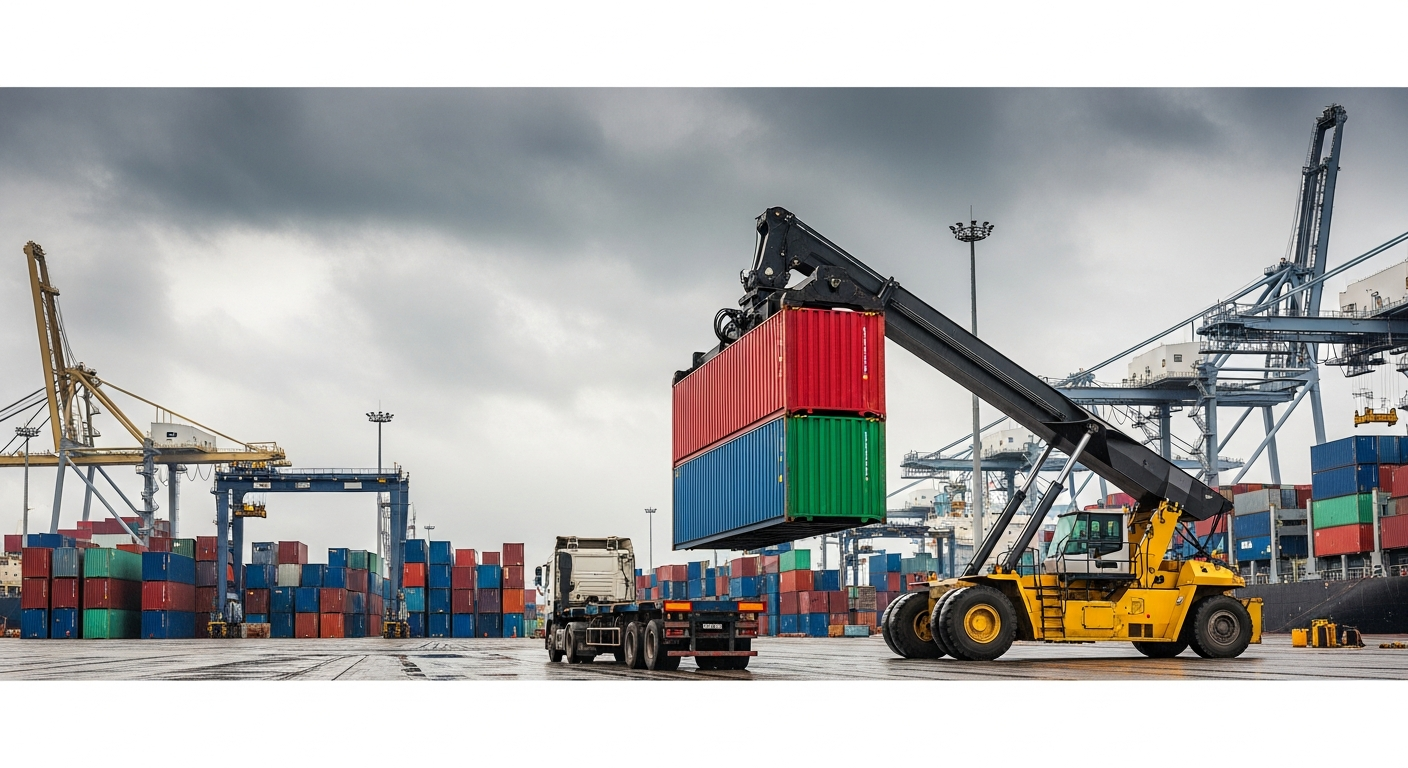
Smooth concrete suits cushion-tyre electrics. Yards, ramps, container hard-stands and gravel suit pneumatic-tyred diesels.
5. Cold store / food / pharma
Electric is mandatory in cold rooms, food handling and most pharmaceutical depots. Battery cold-store packs and heated cabs are an extra spec.
6. BBBEE and compliance
Procurement teams increasingly score the supplier as well as the asset. Afrivex is a BBBEE Level 1 contributor — every rand spent counts at 135% on your scorecard.
7. Operator experience
Electric trucks are quieter, smoother and reduce operator fatigue. Lower fatigue = fewer incidents = lower insurance.
The Afrivex recommendation framework
For most SA warehouses we run the eight-year TCO model first, overlay shift patterns and load-shedding stage expectations, then converge on a fleet mix.